Wy-Adapt Sites
Educational Resources
Featured Posts
What to Do About the Colorado?
Jamie Bellian, a high school science teacher, designed a unit that incorporates interdisciplinary standards from Geometry, English and American History with the Life Science standards for a project-based assessment. Students investigate the Colorado River watershed and explore how climate change, resource management, and competing stakeholder priorities shape water use across the region. Through collaboration with community partners, field experiences, data analysis, and policy exploration, stud
Grades 9-12
Educator-Created Resources
May 18 2026
In the classroom
In the Field
Analyzing and Interpreting Data
Student Research
Wyoming in Their Hands
Jenny Edwards, a high school science teacher, created this unit to engage students in exploring environmental issues through place-relevant data and stakeholder perspectives. Students use WY-Adapt social science data to investigate how Wyoming residents think about water and environmental issues, analyze differing viewpoints, and identify community challenges they care about. Students then develop solutions and communicate their ideas through persuasive writing and outreach products, such as let
Grades 9-12
Educator-Created Resources
May 18 2026
In the classroom
Analyzing and Interpreting Data
Student Research
WyAdapt Connected
Wyoming Weather
A team of elementary science teachers (Liz David, Andrea Hayden, Kelli Petrick, and Becky Qualm) created this lesson bank for K-5 educators to help students engage with weather data. The lesson bank integrates weather concepts into classroom instruction using student-collected data and Wyoming-specific data sources. Through investigations, graphing activities, and hands-on experiences, students connect weather patterns to their local communities and everyday lives while building foundational dat
Grades 3-5
Educator-Created Resources
May 18 2026
In the classroom
In the Field
Analyzing and Interpreting Data
Climate Data
WyAdapt Connected
All Lesson Plans
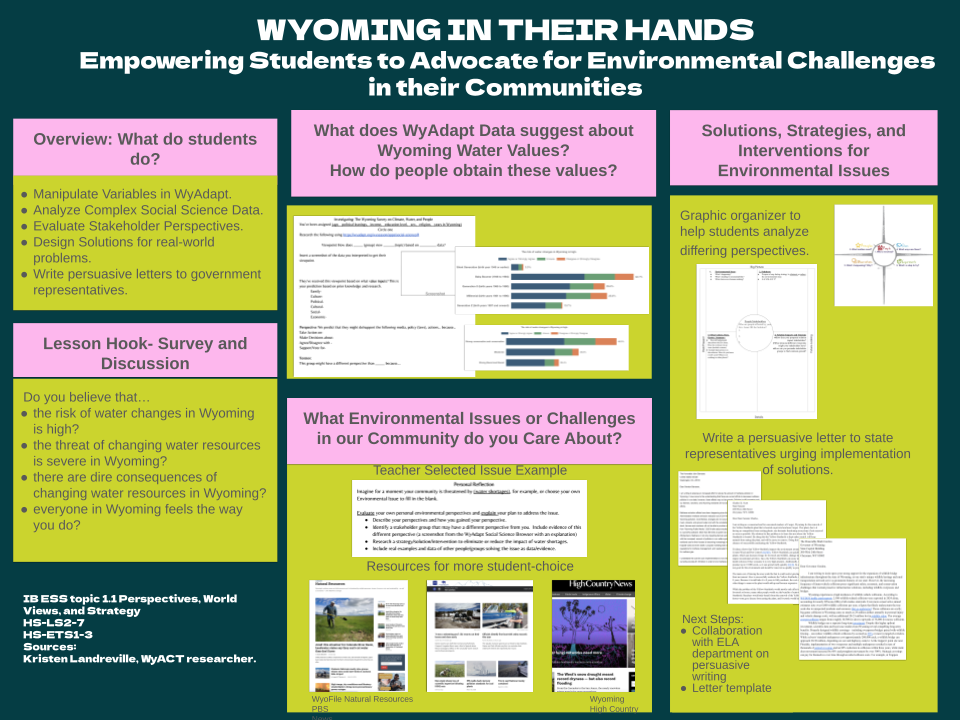 Wyoming in Their Hands
Posted on May 18, 2026
Jenny Edwards, a high school science teacher, created this unit to engage students in exploring environmental issues through place-relevant data and stakeholder perspectives. Students use WY-Adapt social science data to investigate how Wyoming residents think about water and environmental issues, analyze differing viewpoints, and identify community challenges they care about. Students then develop solutions and communicate their ideas through persuasive writing and outreach products, such as let
Grades 9-12
Educator-Created Resources
In the classroom
Analyzing and Interpreting Data
Student Research
WyAdapt Connected
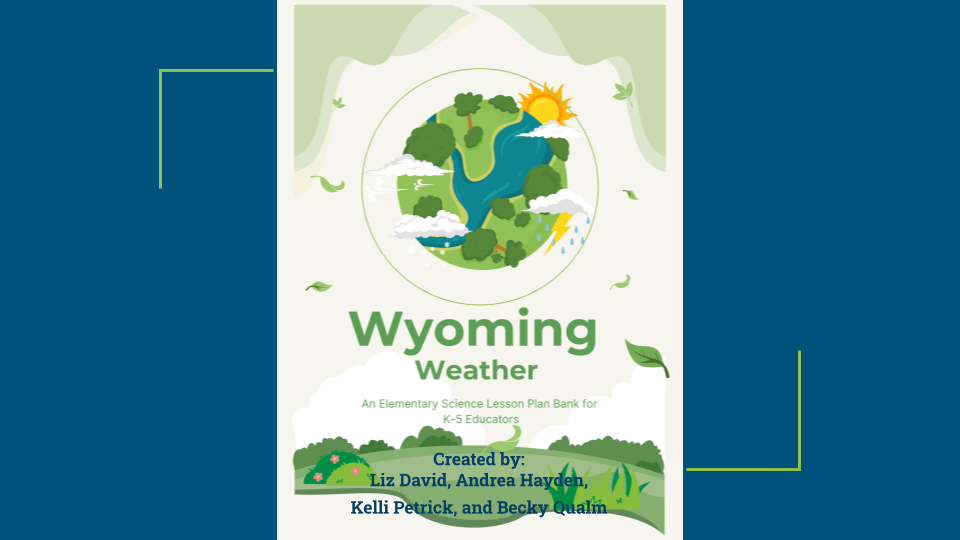 Wyoming Weather
Posted on May 18, 2026
A team of elementary science teachers (Liz David, Andrea Hayden, Kelli Petrick, and Becky Qualm) created this lesson bank for K-5 educators to help students engage with weather data. The lesson bank integrates weather concepts into classroom instruction using student-collected data and Wyoming-specific data sources. Through investigations, graphing activities, and hands-on experiences, students connect weather patterns to their local communities and everyday lives while building foundational dat
Grades 3-5
Educator-Created Resources
In the classroom
In the Field
Analyzing and Interpreting Data
Climate Data
WyAdapt Connected
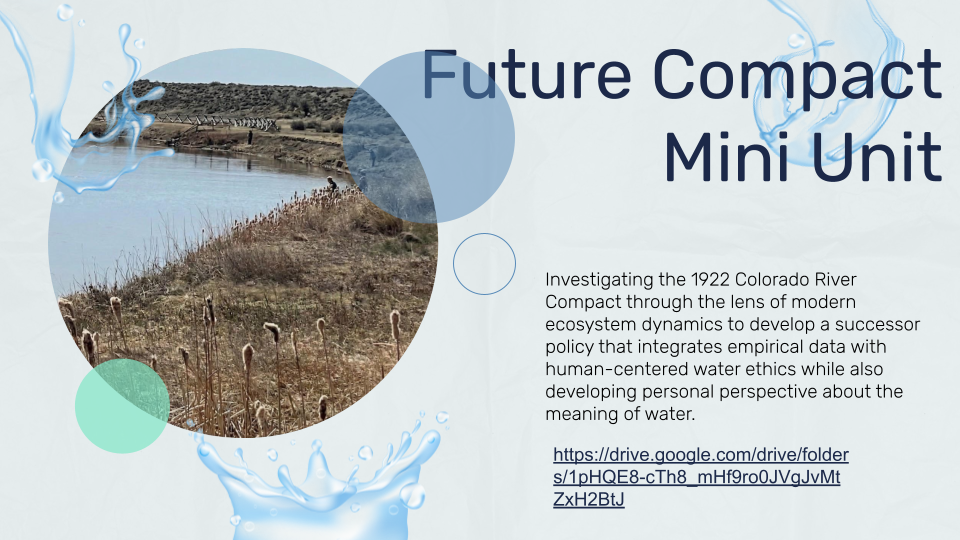 Future Compact Mini Unit
Posted on May 18, 2026
Shawna Mattson, a high school science teacher in Green River, developed this mini unit, which engages students in exploring the history and future of water management in the Colorado River Basin through data, personal narratives, and policy development. Using the 1922 Colorado River Compact as a foundation, students investigate how water systems, ecosystems, and human needs intersect while considering the challenges of balancing water use in a changing environment. Through field experiences, ref
Grades 9-12
Educator-Created Resources
In the classroom
In the Field
Scenario Thinking and Narratives
Community Engagement
Student Research
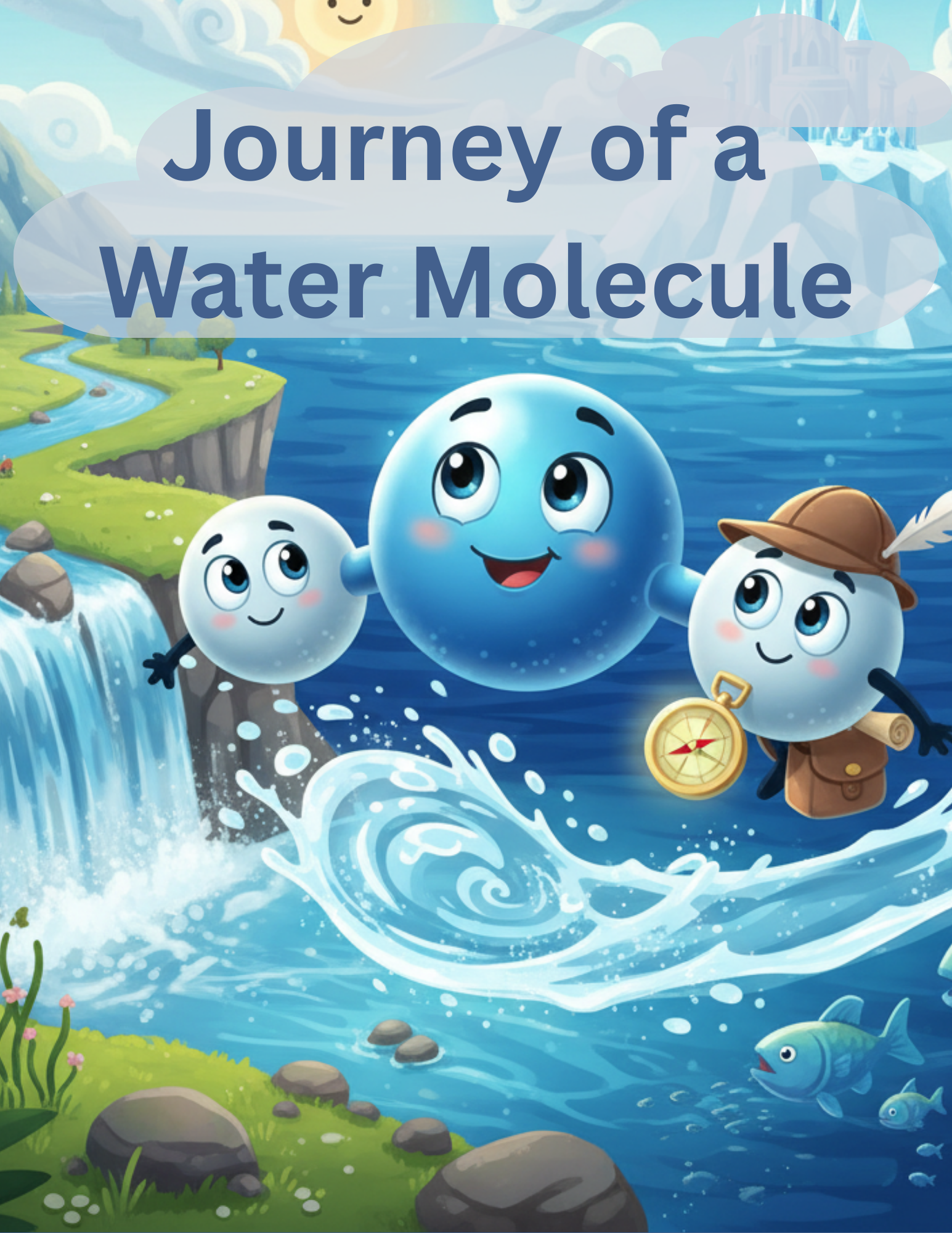 The Journey of a Water Molecule
Posted on May 18, 2026
Jennifer Yetter, a junior high school science teacher in Rock Springs, developed this resource designed to help students explore how matter and energy move throughout living systems on Earth using narratives. By following the journey of a single water molecule, students investigate chemical reactions, photosynthesis, ecosystems, weathering, erosion, and plate tectonics. Using narrative and visual learning approaches, the resource invites curiosity and imagination to support sensemaking.
Grades 6-8
Educator-Created Resources
In the classroom
Scenario Thinking and Narratives
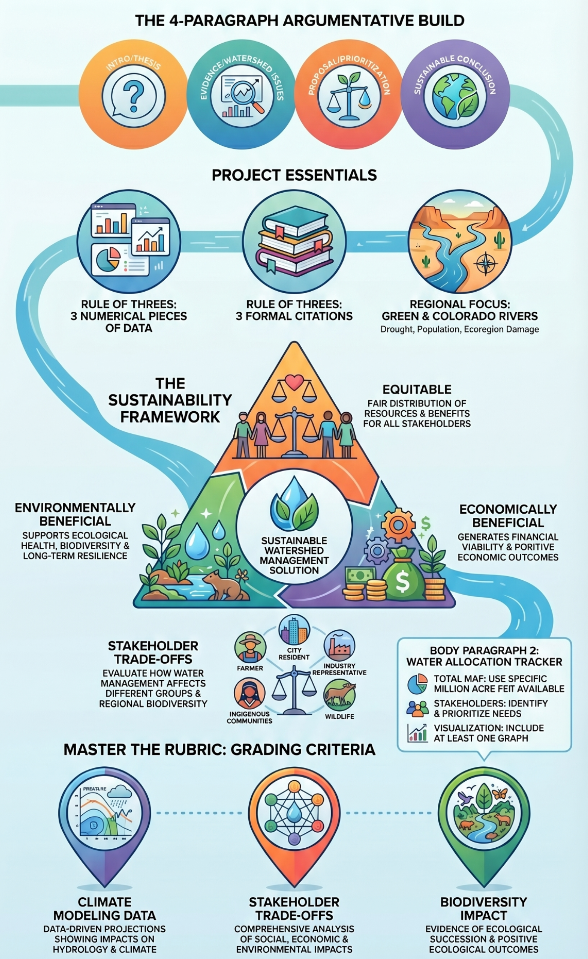 What to Do About the Colorado?
Posted on May 18, 2026
Jamie Bellian, a high school science teacher, designed a unit that incorporates interdisciplinary standards from Geometry, English and American History with the Life Science standards for a project-based assessment. Students investigate the Colorado River watershed and explore how climate change, resource management, and competing stakeholder priorities shape water use across the region. Through collaboration with community partners, field experiences, data analysis, and policy exploration, stud
Grades 9-12
Educator-Created Resources
In the classroom
In the Field
Analyzing and Interpreting Data
Student Research
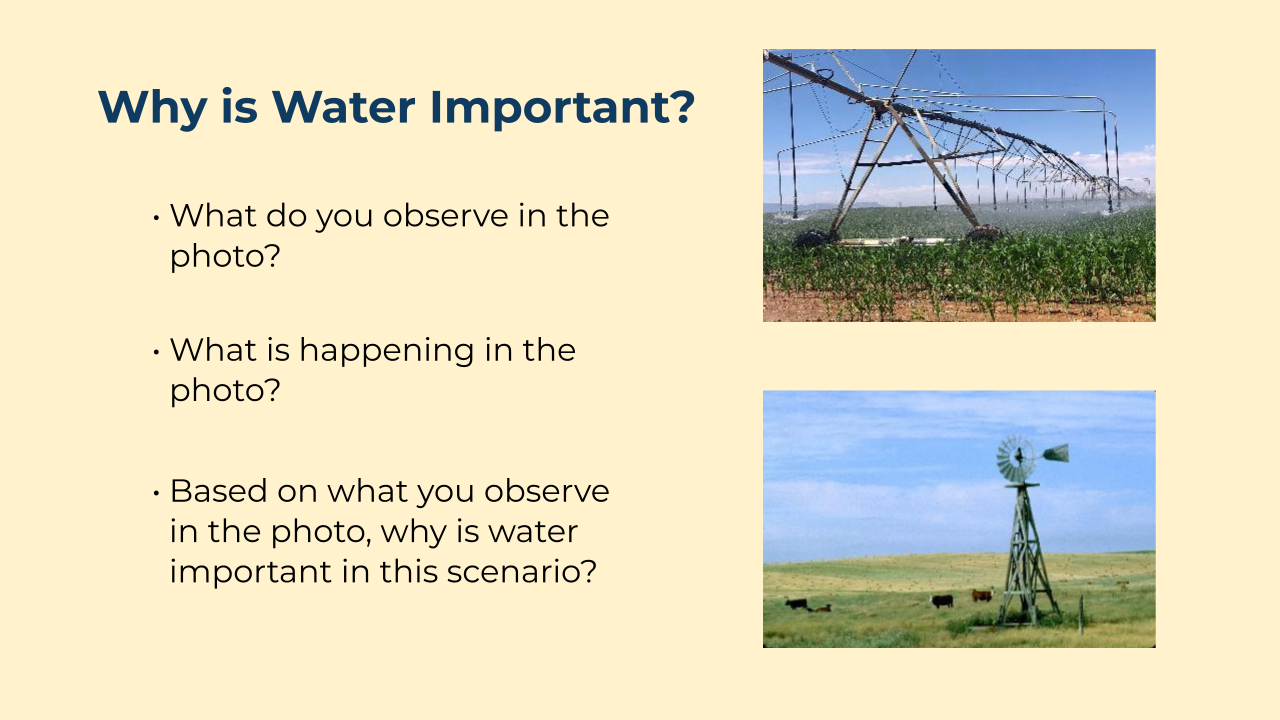 Exploring Wyoming's Water
Posted on May 17, 2026
Carolyn Jacobs, an education advocate for Wyoming Agriculture in the Classroom, is developing a resource designed to help elementary students (5th grade) explore the importance of water through the lens of Wyoming agriculture and natural resources. The lessons will support students' foundational understanding of the importance of water, the hydrologic cycle, and Wyoming's use of water. Through photographs, maps, narratives, and data-based activities, students are encouraged to make connections b
Grades 3-5
Grades 6-8
Educator-Created Resources
In the classroom
Scenario Thinking and Narratives
Data Visualization
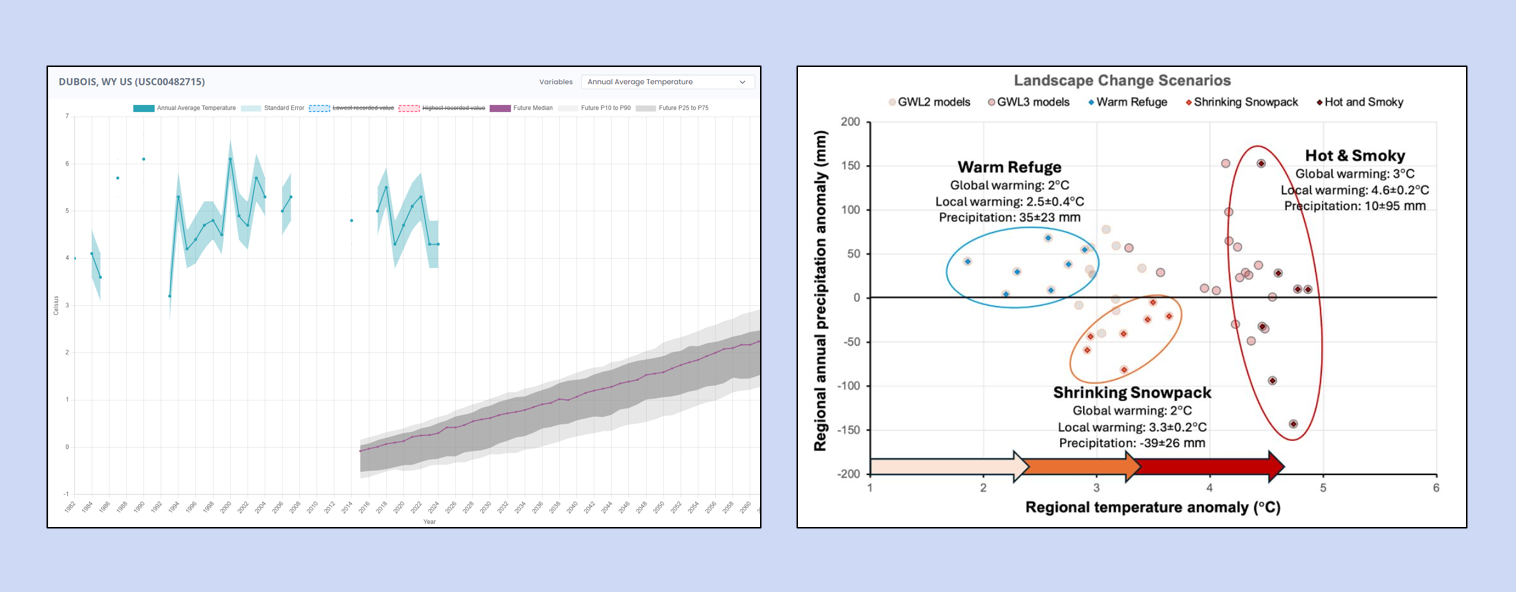 Exploring Uncertainty Through Models & Narratives
Posted on Oct 20, 2025
Two University of Wyoming researchers, atmospheric scientist Dr. Stefan Rahimi and social scientist Dr. Anderson de Figueiredo, collaborated to show how biophysical and social scientists explore and communicate uncertainty. Stefan guided participants through a WY-Adapt dashboard to compare observed weather station data with climate model projections, illustrating uncertainty from model bias and variability. Anderson introduced scenario narratives to show how uncertainty can be translated into pl
Grades 9-12
Program-Created Resources
In the classroom
Analyzing and Interpreting Data
Data Visualization
Scenario Thinking and Narratives
Uncertainty in Science
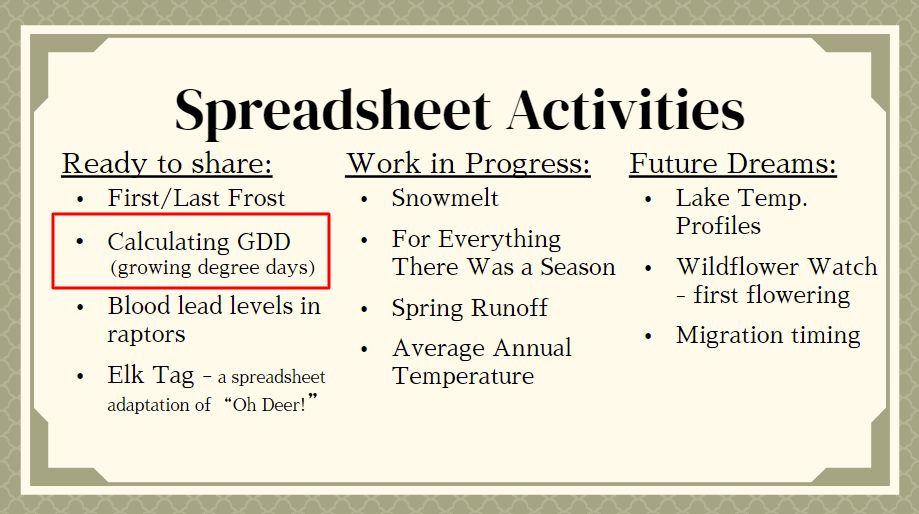 Seasons, Systems, & Spreadsheets
Posted on Oct 17, 2025
Johnson Whippie, a high school science teacher, developed a series of spreadsheet-based classroom tools to help students engage with big, messy data. These spreadsheet activities are designed to connect students to place and to improve scientific literacy. The featured spreadsheet activity focuses on calculating growing degree days (GDD), which allows students to track temperature patterns over time and use those patterns to understand seasonal environmental change, including predicting plant an
Grades 9-12
Educator-Created Resources
In the classroom
Analyzing and Interpreting Data
Data Visualization
Videos
Climate Data
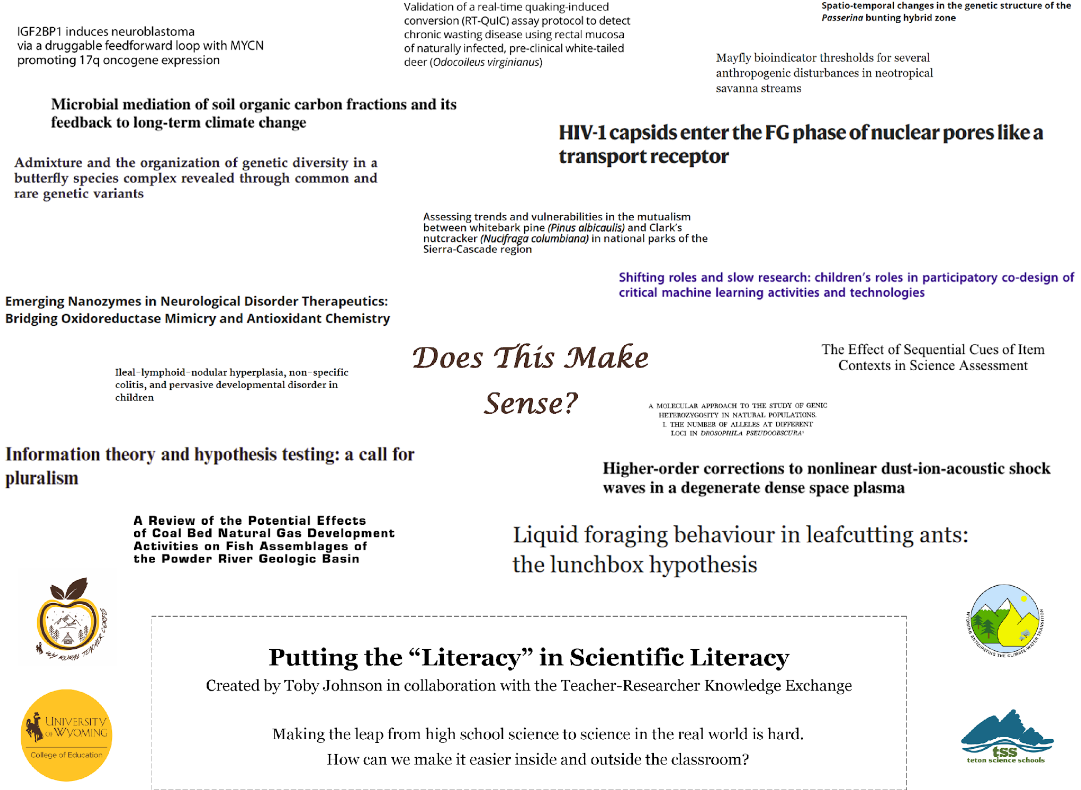 How to Read a Scientific Paper
Posted on Oct 17, 2025
Toby Johnson, a pre-service teacher, developed this step-by-step guide to help students approach and read daunting scientific papers with confidence. This guide breaks down the reading process into eights steps with three appendices that explain the structure of a paper, key terms, and how to be a critical reader.
Grades 9-12
Educator-Created Resources
In the classroom
Analyzing and Interpreting Data
Student Research
 Meet the Research Videos
Posted on Oct 15, 2025
Juana Hicks Rodriguez created short "Get to Know the Research" videos to introduce K-12 students to real-world scientific research and data interpretation. Each video features a Wyoming scientist explaining their work in accessible language, showing students how data is collected, analyzed, and applied to answer a research question. The videos bridge classroom learning and current research, helping students see data as a tool for decision-making. One video is shared here, exploring aquatic ecolo
Grades 9-12
Program-Created Resources
Videos
Career Connections
In the classroom
Data Visualization
Analyzing and Interpreting Data
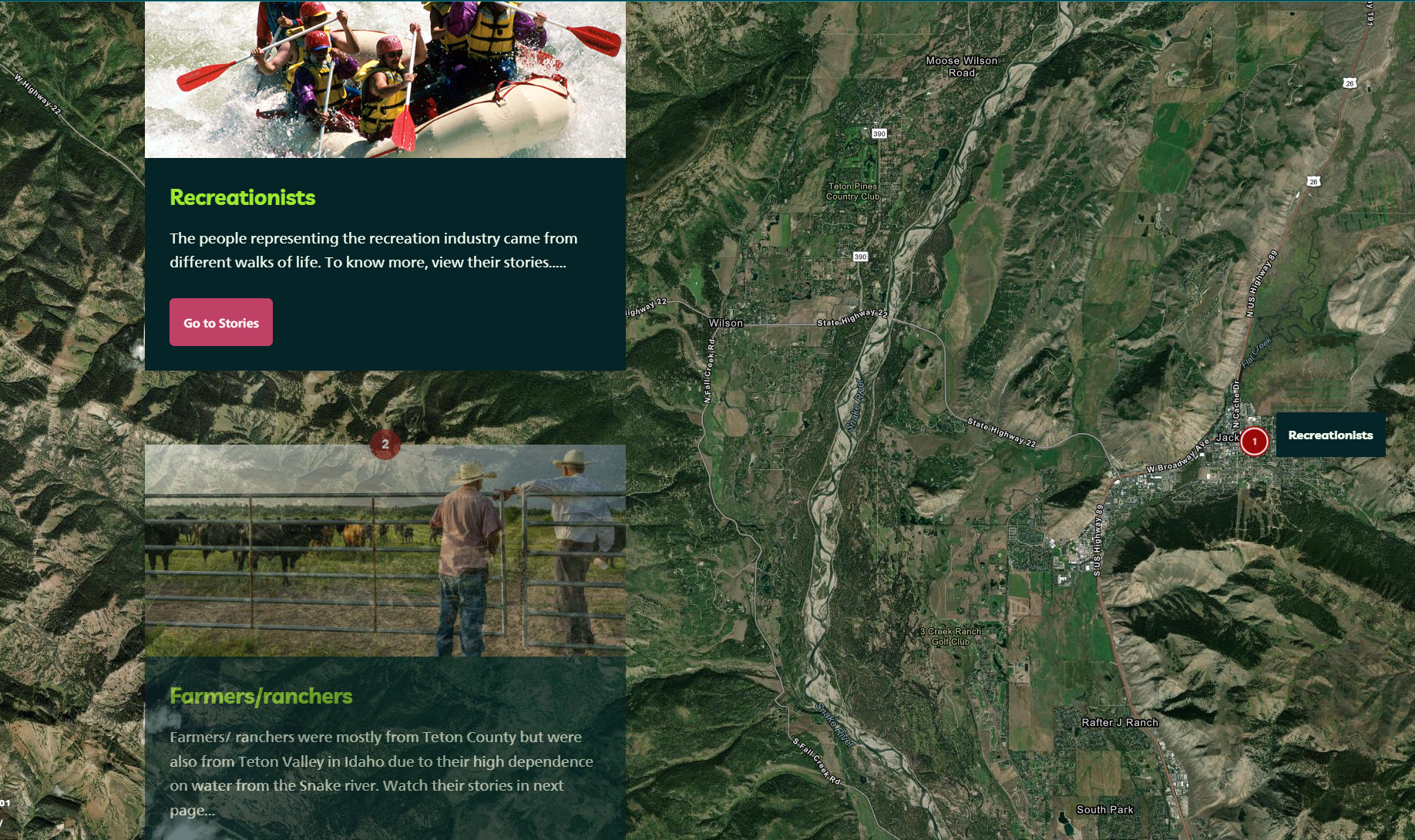 Using Wyoming-Based Stories & Data to Understand Change
Posted on Oct 09, 2025
Kimberly Harper, a high school science teacher, created a lesson series rooted in stories of Wyoming's changing water. Using Wyoming-based stories and data, students analyze local climate projections, examine snowpack and temperature trends, and investigate how environmental shifts shape Wyoming's communities and landscapes.
Grades 9-12
Educator-Created Resources
In the classroom
Analyzing and Interpreting Data
Scenario Thinking and Narratives
Climate Data
 Getting Our Feet Wet
Posted on Oct 08, 2025
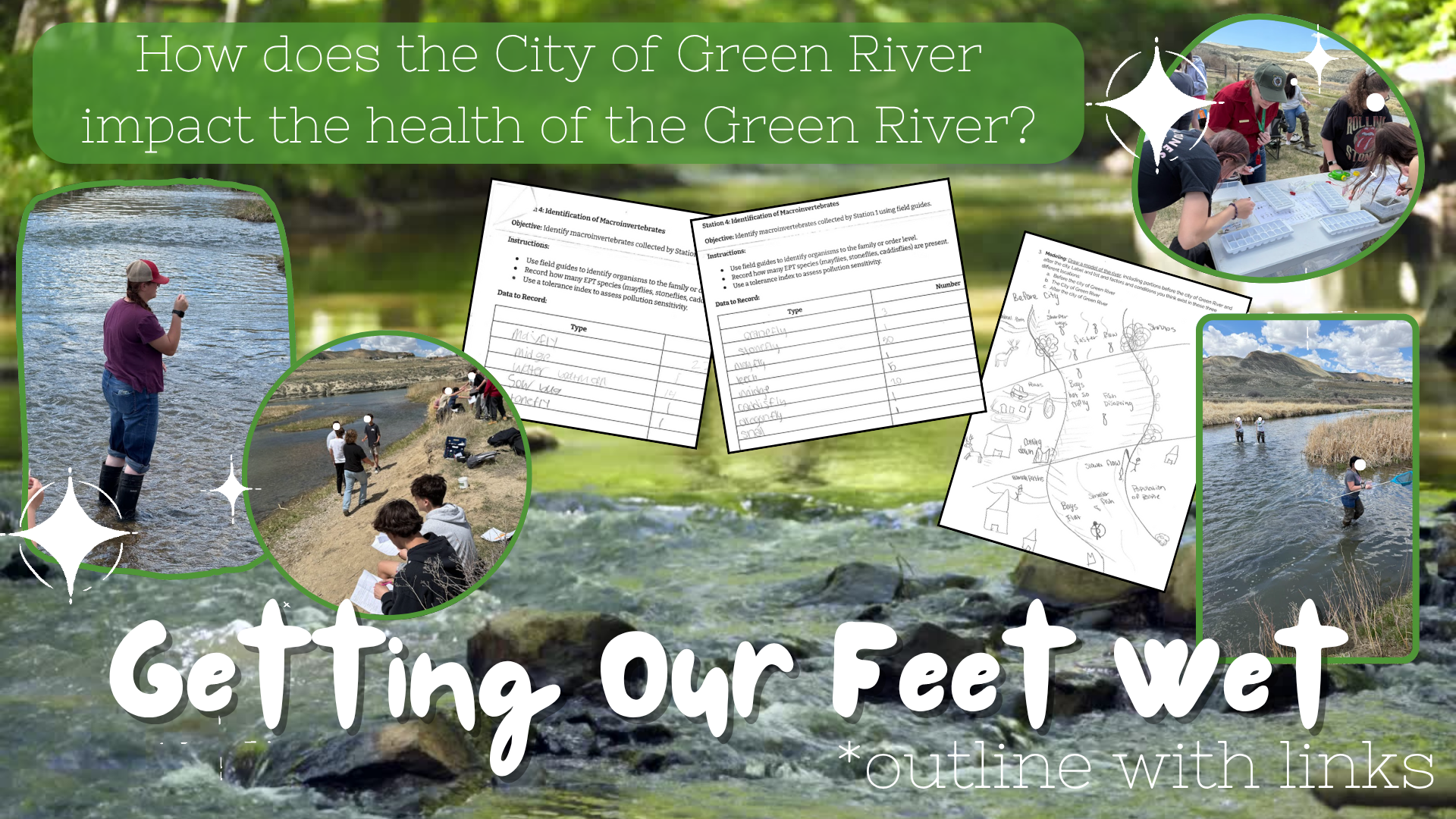
Megan Allen and Shawna Mattson, high school science teachers in Green River, developed this field-based unit to help students investigate the question: "How does the City of Green River impact the health of the Green River?" The unit includes classroom preparation activities, local partnerships, and hands-on field investigations where students collect and analyze environmental data to evaluate river health. Activities include exploring models to identify questions, macroinvertebrate identificati
Grades 9-12
Educator-Created Resources
In the Field
In the classroom
Analyzing and Interpreting Data
Community Engagement
Student Research
Data Visualization
 A Tale of Two Lakes
Posted on Oct 08, 2025
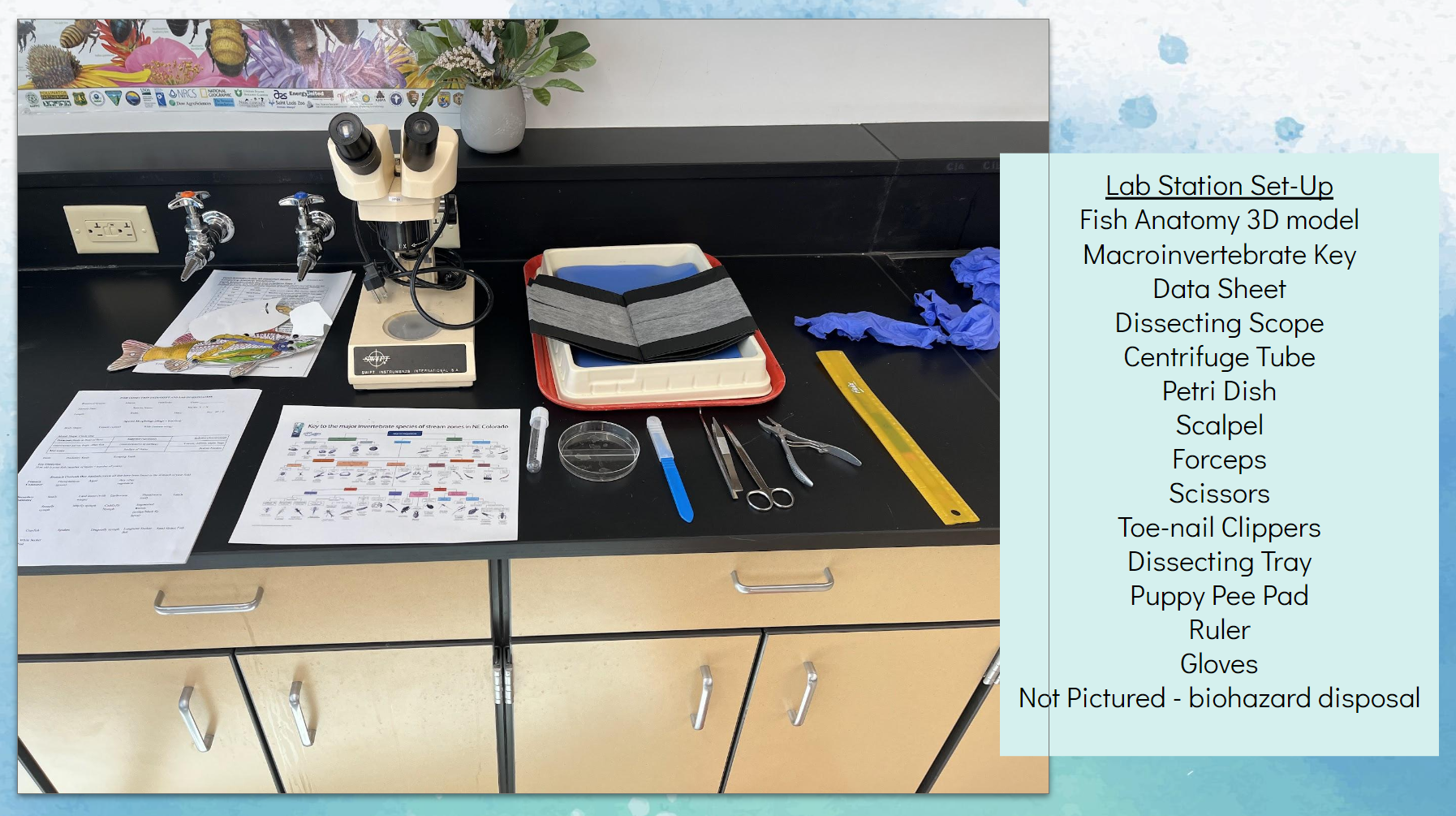
Jenny Edwards, a high school science teacher, created this unit to engage students in analyzing biotic and abiotic interactions in aquatic ecosystems using real-world data. By comparing Alcova and Pathfinder Reservoirs, students investigate how environmental differences influence biodiversity, food webs and ecosystem dynamics. Through the integration of online datasets, fish dissections, and stable isotope analysis, students examine how human activities, such as fish stocking and resource manage
Grades 9-12
Educator-Created Resources
In the classroom
Analyzing and Interpreting Data
Student Research
Data Visualization
 How to Take Standards-Driven Field Trips
Posted on Oct 07, 2025
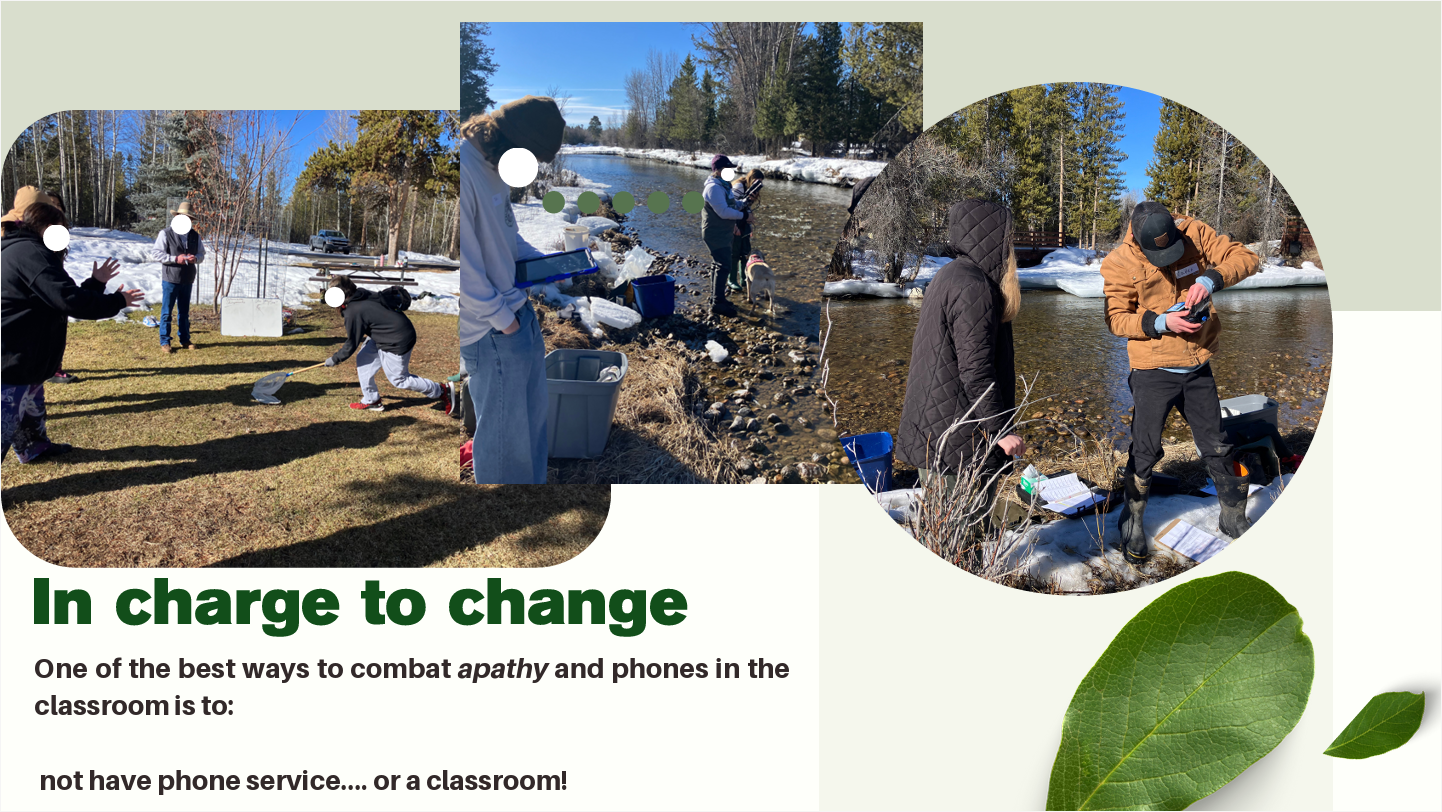
Jamie Bellian, a high school science teacher, designed an approach to make field learning standards-driven, inclusive and meaningful. By combining Universal Design for Learning (UDL) principles, strong community partnerships, and systems for building independence, students connect academic standards to real-world experiences. Students prepare through structured pre-trip work, collaborate with community experts in the field, and reflect through creative, evidence-based assessments.
Grades 9-12
Educator-Created Resources
In the Field
Assessment
Student Research
Career Connections
 Weather Station Data Sharing
Posted on Oct 06, 2025
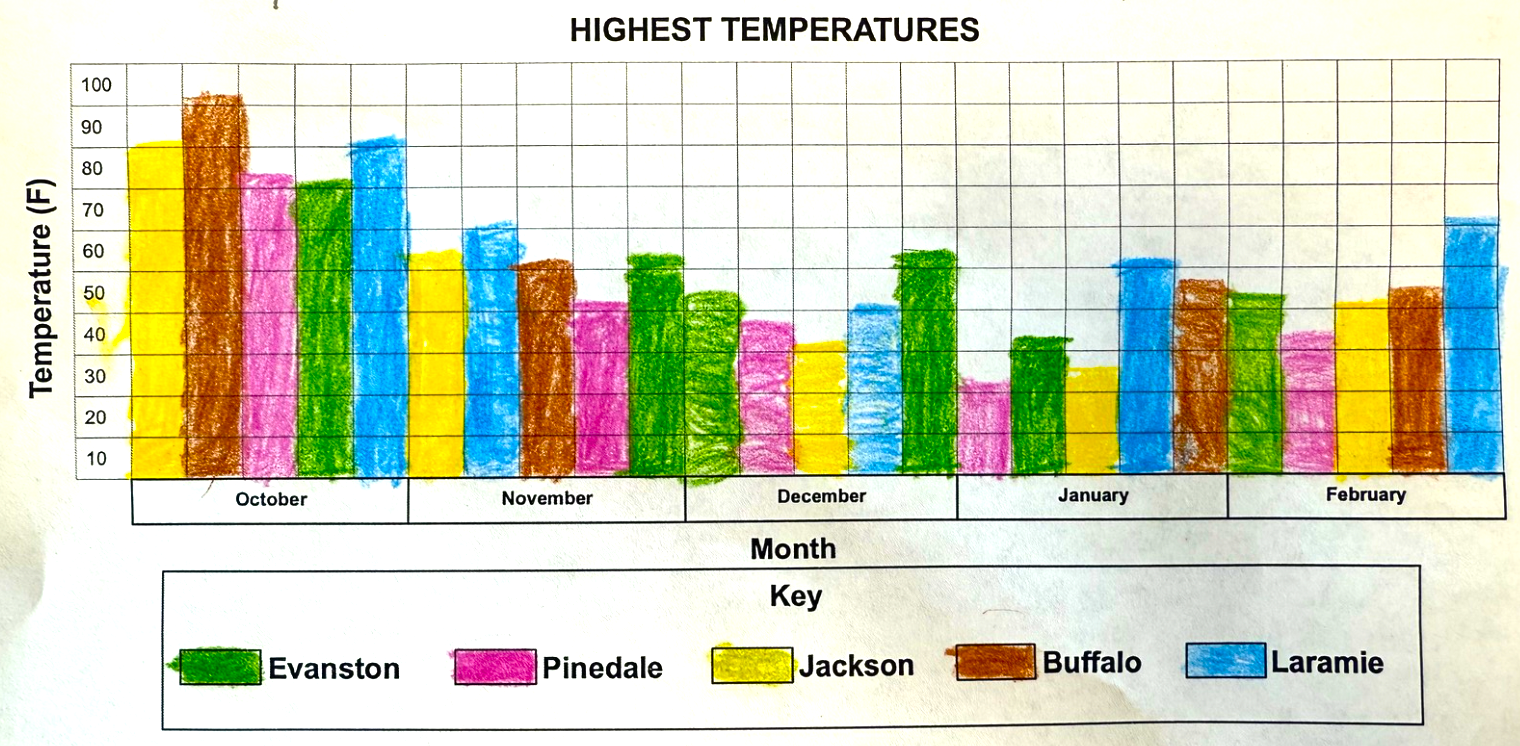
A team of elementary science teachers (Josh Cox, Liz David, Andrea Hayden, Kelli Petrick, and Becky Qualm) developed this collaborative statewide project. The goal was to give students authentic, place-based experiences by working with real weather data and connecting to students in other schools who were doing the same. Third-grade students across Wyoming collected and analyzed weather data to identify patterns, and evaluate solutions to help reduce the impacts of local weather hazards. The pro
Grades 3-5
Educator-Created Resources
Analyzing and Interpreting Data
Climate Data
Data Visualization
Student Research
In the Field
In the classroom
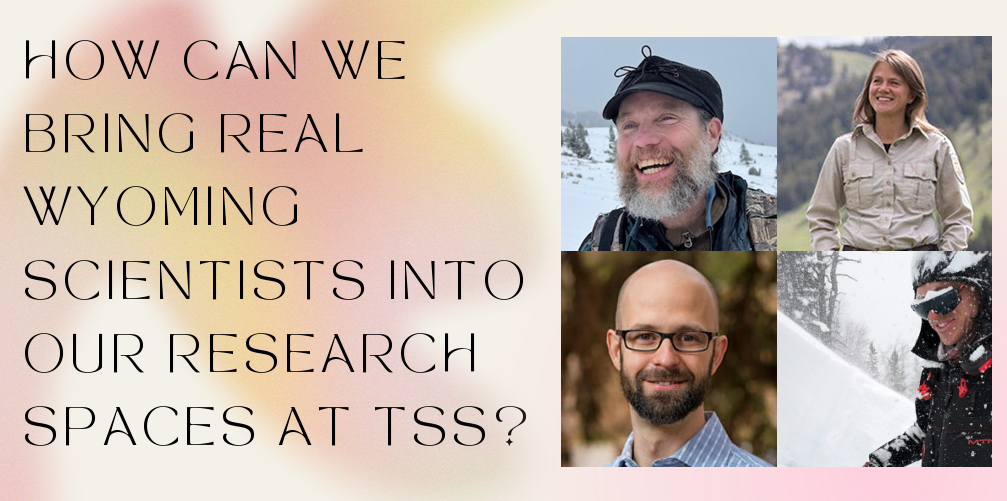 Field Notes & First Steps
Posted on Oct 06, 2025
Ruby Jenco, a field instructor at Teton Science Schools (TSS), developed a set of winter videos to connect students with Wyoming scientists and support authentic field research experiences. Each "Research Day" at TSS engages students in question generation, data collection, analysis, and sharing, and these winter videos provide introductions and guidance to spark students' ideas and work. The three videos share connections to snow science, animal behavior, and ecological change across Wyoming.
Grades 3-5
Grades 9-12
Grades 6-8
Educator-Created Resources
In the Field
Student Research
Videos
Career Connections
Analyzing and Interpreting Data
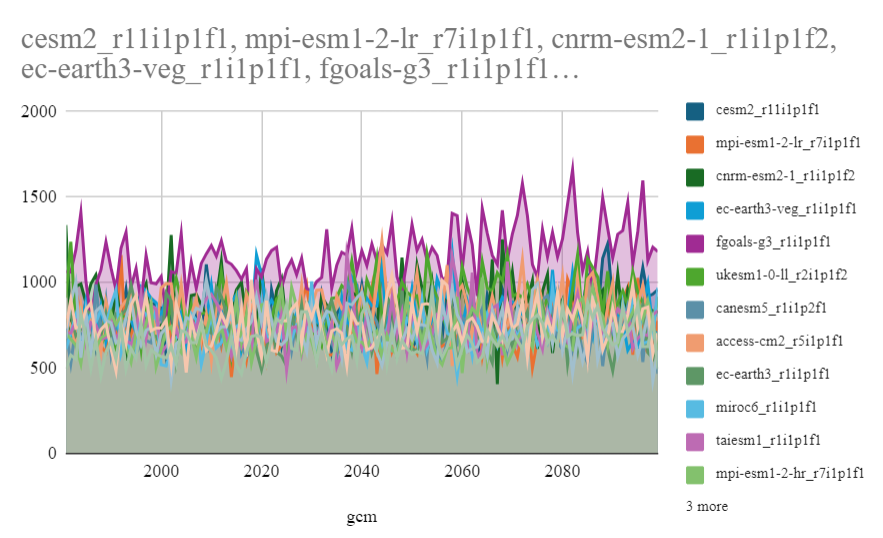 Building Climate Knowledge
Posted on Oct 03, 2025
Chelsea Lund, a high school science teacher, developed this lesson to give students practice working with messy climate data. The activity emphasizes experiential learning and student engagement with uncertainty. By analyzing climate model outputs alongside observed data, students identify trends and build skills in making informed decisions.
Grades 9-12
Educator-Created Resources
Uncertainty in Science
Climate Data
In the classroom
Analyzing and Interpreting Data
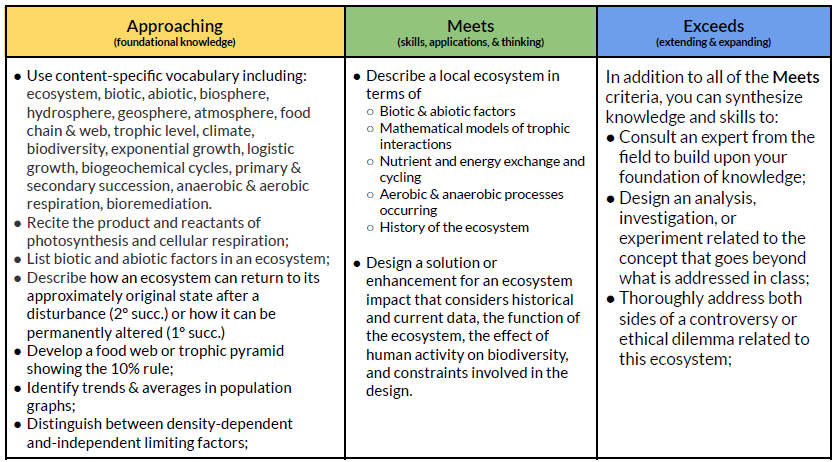 Alternative Assessment for Environmental Data
Posted on Sep 29, 2025
Jules Craft, a high school science teacher, recognized the need for alternative assessment formats through her participation in TRKE. She created a project-based assessment for her ecosystem impact unit that emphasizes student autonomy and experiential learning. Students collect, analyze, and interpret environmental data to evaluate and assess impacts on the environment and biodiversity.
Grades 9-12
Educator-Created Resources
Analyzing and Interpreting Data
Assessment
In the classroom
In the Field
Uncertainty in Science
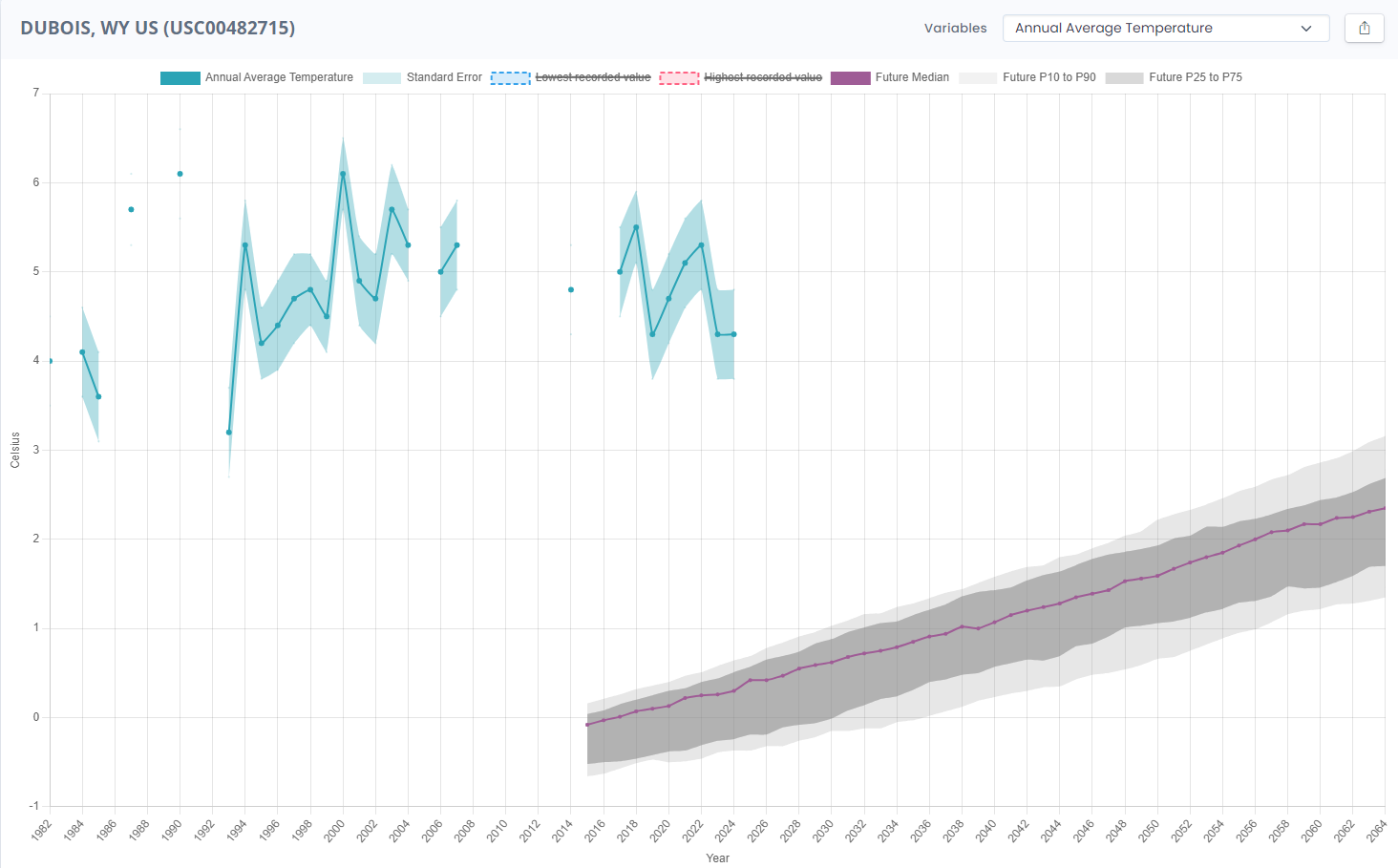 When the Data Doesn't Match
Posted on Sep 28, 2025
This lesson engages students in comparing observed weather station data with modeled climate data using WY-Adapt. Through this exploration, students encounter two key types of scientific uncertainty: observational uncertainty (limitations in how and what we measure) and climate model uncertainty (limitations in the models used to explain or predict phenomena). The Moment of Uncertainty framework created by the Investigations Project guides the lesson, helping teachers surface uncertainty, suppor
Grades 9-12
Program-Created Resources
Climate Data
Analyzing and Interpreting Data
Uncertainty in Science
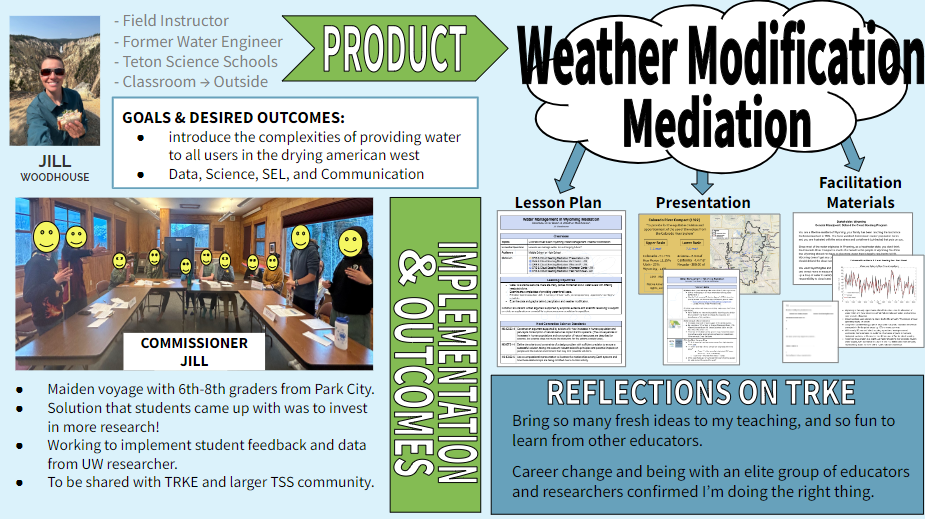 Managing WY Water for a Changing Future
Posted on Sep 18, 2025
Jill Woodhouse, a field instructor and former water engineer, developed this cloud seeding mediation lesson to help students explore the complexities of water use and changing weather in the drying American West. This mediation activity invites students to analyze climate data, adopt diverse perspectives, and collaborate on solutions to real-world water challenges, while also building science and social-emotional learning (SEL) skills.
Grades 9-12
Grades 6-8
Educator-Created Resources
Climate Data
Scenario Thinking and Narratives
In the classroom
No posts match the current filter.
WY-Adapt Data Repository | © 2026 | v2.0.0
Funding provided by Grant: NSF OIA 2149105
Funding provided by Grant: NSF OIA 2149105